Want to Recover Your Hacked Facebook Account?
Want to Recover Your Hacked Facebook Account?


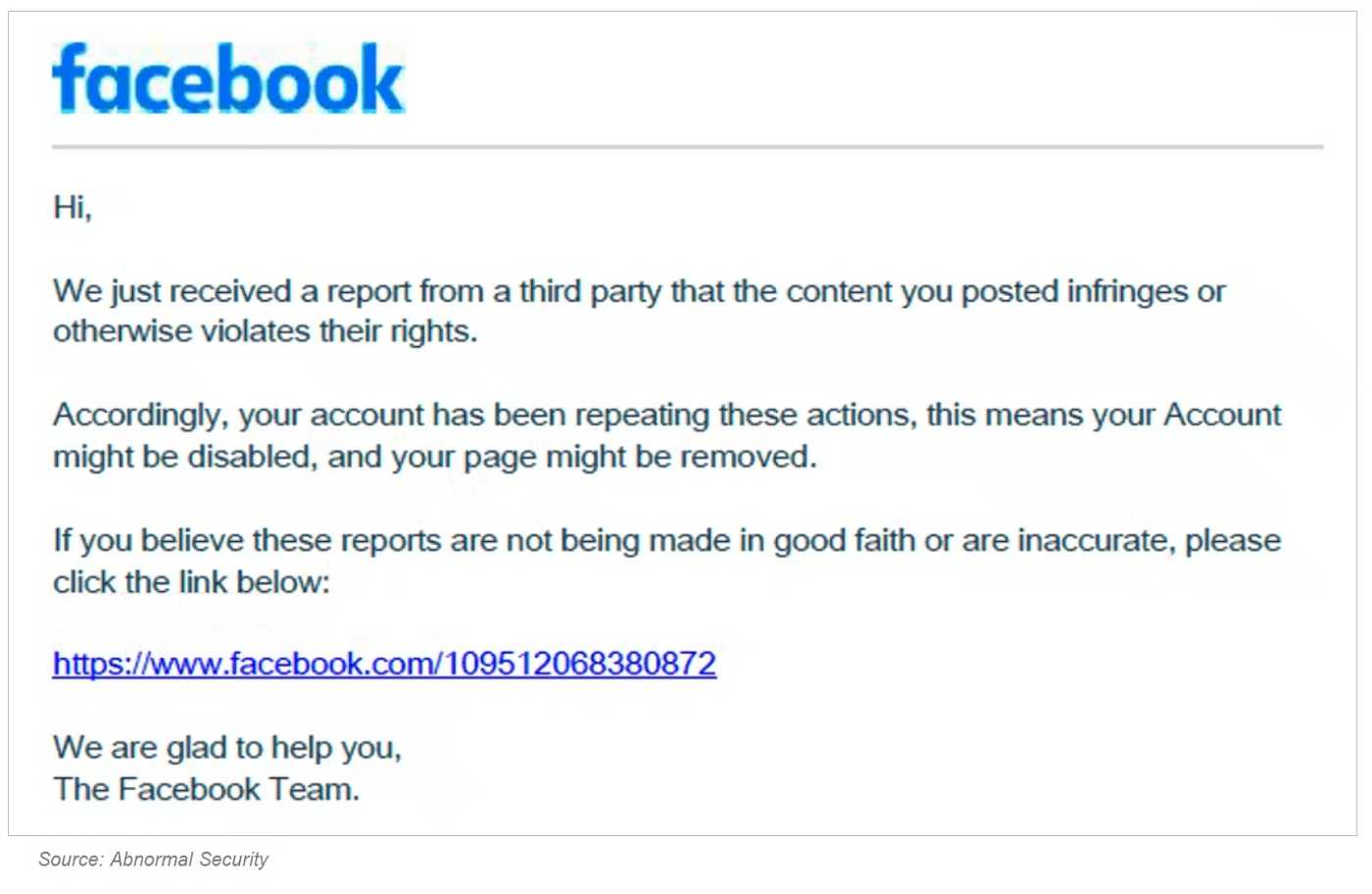
Discovering that your Facebook account has been hacked can be a frightening and frustrating experience. Suddenly, you may find yourself locked out, seeing unfamiliar posts, or receiving messages from friends asking why you sent suspicious links. In today’s digital age, your social media account holds personal conversations, photos, business pages, and even financial connections. Losing access can feel overwhelming — but don’t panic.
If your Facebook account has been hacked, there are clear steps you can take to recover it and secure it from future attacks. This guide will walk you through everything you need to know.
Signs Your Facebook Account Has Been Hacked
Before jumping into recovery steps, it’s important to confirm whether your account was truly compromised. Common warning signs include:
You can’t log in with your usual password
Your email address or phone number has been changed
You notice posts or messages you didn’t send
Friends report receiving spam from your account
Login alerts from unfamiliar locations
If any of these apply, act immediately. The sooner you respond, the higher your chances of successful recovery.
Step 1: Try Logging In Normally
Go to Facebook and attempt to log in. If your password still works, immediately change it:
Go to Settings
Select “Security and Login”
Click “Change Password”
Choose a strong, unique password
Make sure the new password is different from any you’ve used before.
Step 2: Use the “Forgot Password” Option
If you cannot log in, click the “Forgot Password?” link on the login page. Facebook will ask for your email address, phone number, or username associated with the account.
You will receive a recovery code via email or SMS. Enter the code and reset your password.
If your contact details have been changed by the hacker, select the option that says you no longer have access to these details.
Step 3: Visit Facebook’s Official Recovery Page
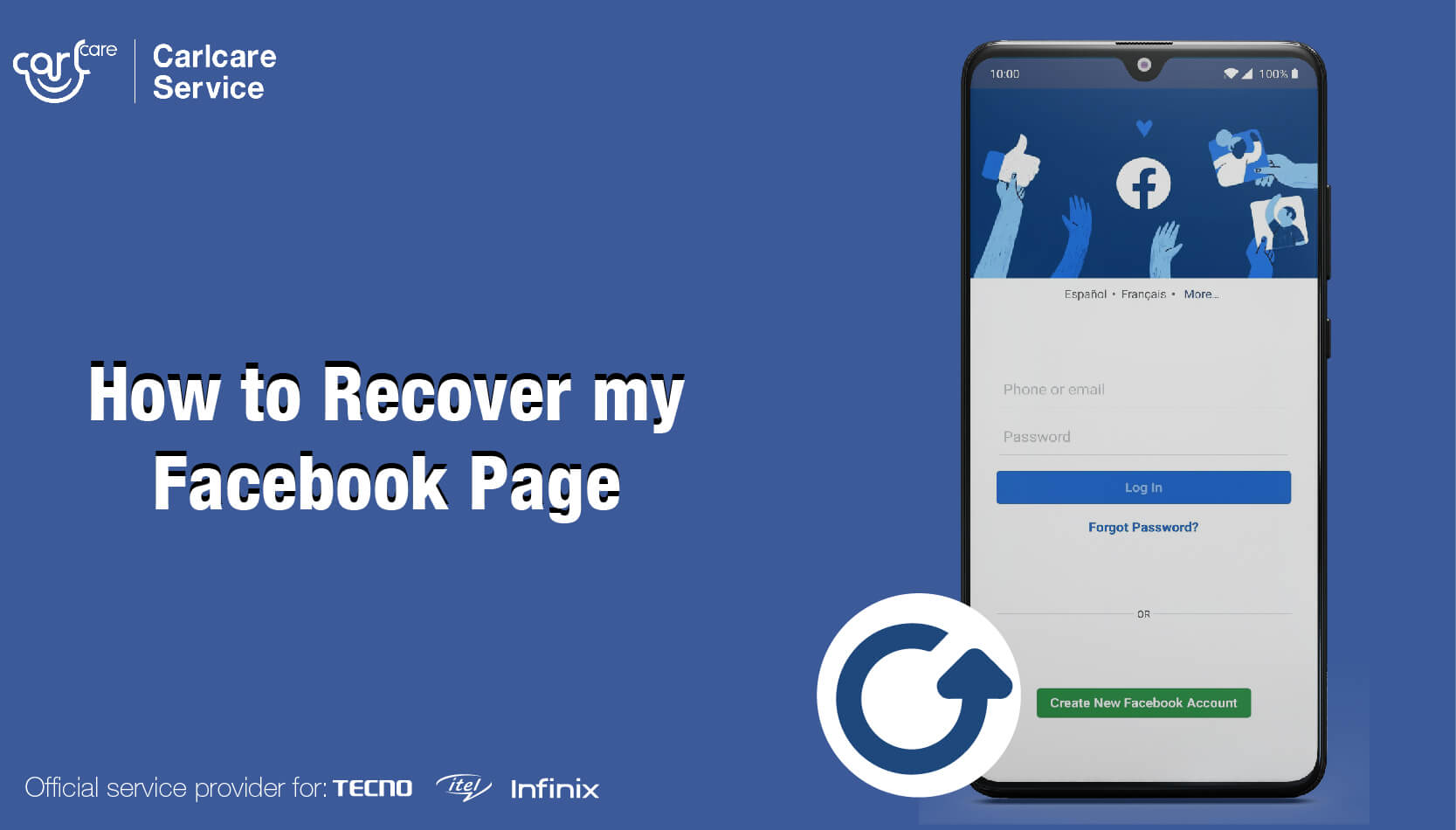
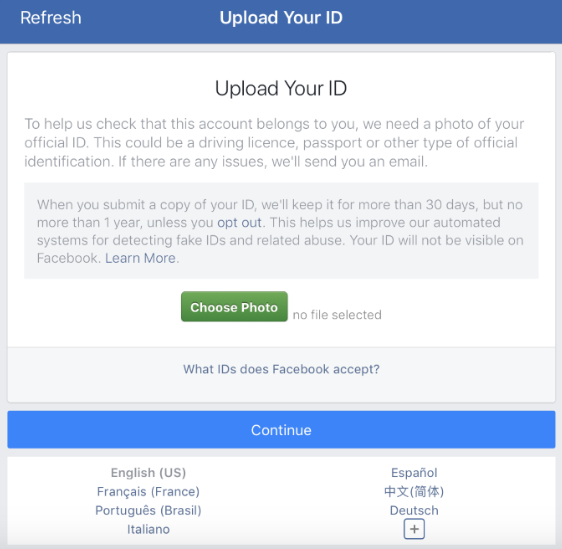

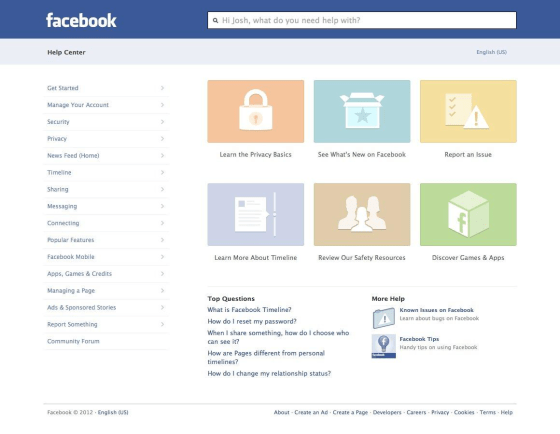
Facebook provides a dedicated page for compromised accounts:
👉 facebook.com/hacked
This page is designed specifically to help users recover hacked accounts. It will guide you through identity verification and security checks.
Follow the instructions carefully. You may be asked to:
Confirm your identity
Verify recent activity
Upload a government-issued ID
Confirm past passwords
Be patient during this process, as identity verification can take time.
Step 4: Check Your Email for Security Alerts
Facebook usually sends security alerts if it detects suspicious activity. Search your inbox for messages from Facebook about:
Password changes
Email updates
Login attempts from unknown locations
If you find an email stating that your account information was changed, look for the link that says “This wasn’t me.” Clicking it may reverse the unauthorized changes.
Step 5: Secure Your Email Account
If your Facebook was hacked, your email might also be compromised. Hackers often access social media accounts through weak email security.
Immediately:
Change your email password
Enable two-factor authentication (2FA)
Check recovery email and phone number settings
Review recent login activity
Your email is the gateway to many accounts. Protect it first.
Step 6: Enable Two-Factor Authentication
Once you regain access, turn on two-factor authentication (2FA) inside Facebook’s Security Settings. This adds an extra layer of protection by requiring a code sent to your phone or generated by an authenticator app.
Even if someone knows your password, they won’t be able to access your account without the second verification step.
Step 7: Review Account Activity
After recovery, carefully inspect your account:
Remove unknown devices from “Where You’re Logged In”
Check for unfamiliar apps connected to your account
Review recent posts and delete suspicious ones
Inform friends if spam was sent from your profile
This step ensures no backdoors remain open.
Why Facebook Accounts Get Hacked
Understanding how hacks happen can help prevent future issues. Common causes include:
Weak or reused passwords
Phishing links
Fake login pages
Malware-infected devices
Public Wi-Fi without protection
Cybercriminals often trick users into giving away login details. Always double-check website URLs before entering your password.
What If You Can’t Recover Your Account?
In rare cases, recovery may not be possible — especially if the hacker completely changes your contact information and identity verification fails.
If that happens:
Report the compromised account
Inform friends not to interact with suspicious messages
Create a new account with stronger security
Enable 2FA immediately
While it’s frustrating, prevention is key moving forward.
Tips to Prevent Future Hacks
Here are simple but powerful security practices:
✔ Use a password manager
✔ Avoid clicking unknown links
✔ Keep your devices updated
✔ Don’t share verification codes with anyone
✔ Log out of public computers
Remember, Facebook will never ask for your password via email or direct message.

Comments
Post a Comment